UPS, one of the world's largest parcel delivery companies, expects to carry slightly fewer packages in the United States this holiday season. Yet it also expects to earn more money from the packages it does carry. The reason is a clear change in plan: the company has cut back on low-profit deliveries for Amazon, its largest customer, and is now focusing on work that pays better.
Chief executive Carol Tomé shared the outlook on October 27, when UPS reported its results for the third quarter of 2026. Her message was simple. Holiday demand looks strong, but UPS will not chase every parcel. It will pick the business that makes sense.
A deliberate cut, not a weak season
UPS began to reduce Amazon deliveries early in 2026. The work was high in volume but low in profit. Trucks were full, yet each parcel added little to earnings. Company leaders called the process a "glide-down". They worked with Amazon to lower the volume step by step, and the plan was completed in the second quarter.
As a result, average daily volume in the United States is expected to fall 1.3 percent in the fourth quarter, compared with the same period last year. At the same time, UPS expects revenue in its main US business to rise by about 3 percent, and international revenue to rise by about 7 percent. In other words, fewer parcels, but more money per parcel.
"We're dispelling the old belief that all packages were created equal and that volume solves all problems," Tomé told Reuters. She said US shoppers remain resilient, and the outlook for holiday demand is strong.
Holiday demand is still growing
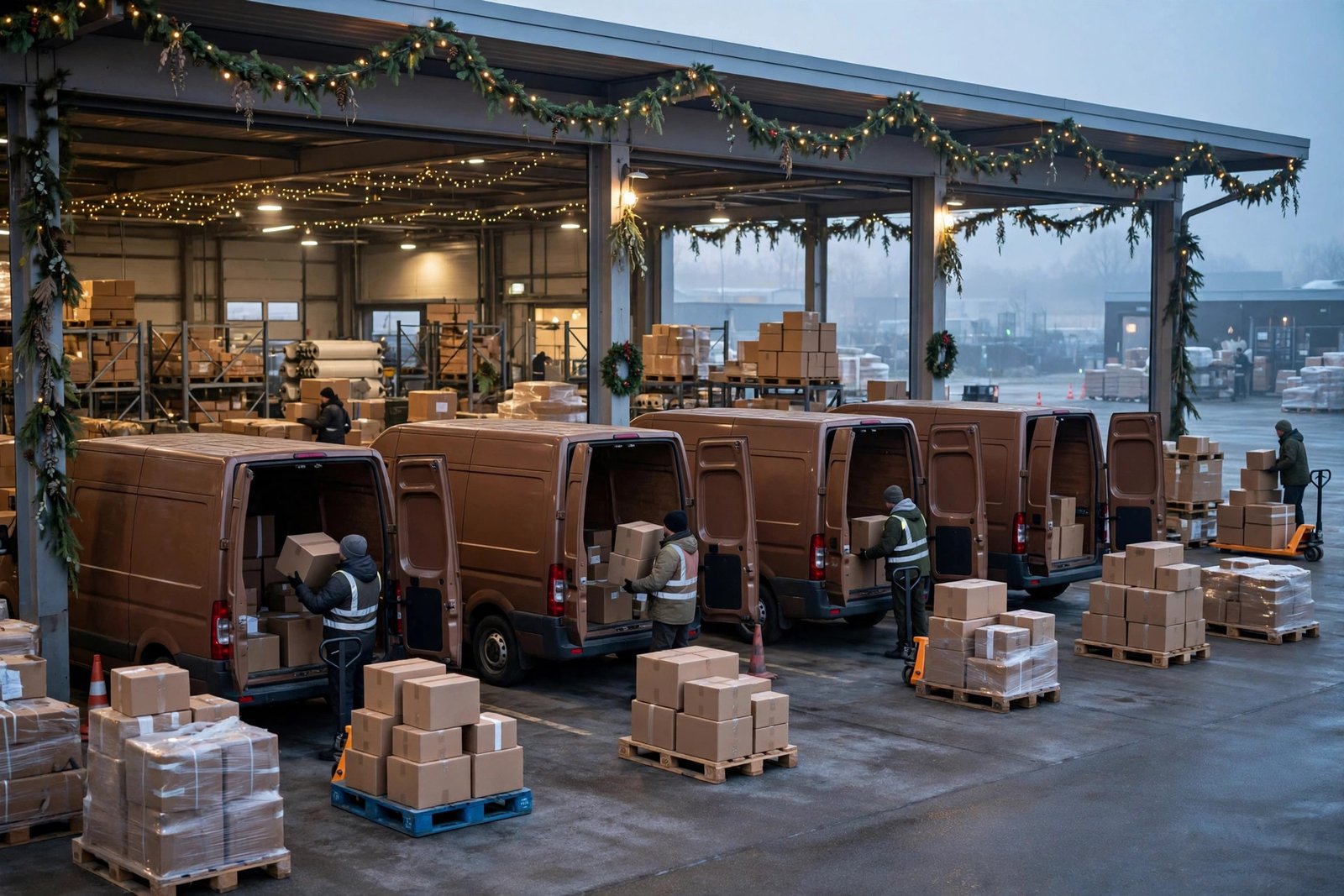
The wider market tells a different story from the UPS volume figure alone. Industry forecasts put growth in holiday online retail at about 9 percent this year. Around 100 large US customers account for about 80 percent of the UPS peak surge, and their forecasts point to average daily volume rising about 25 percent from the third quarter to the fourth quarter.
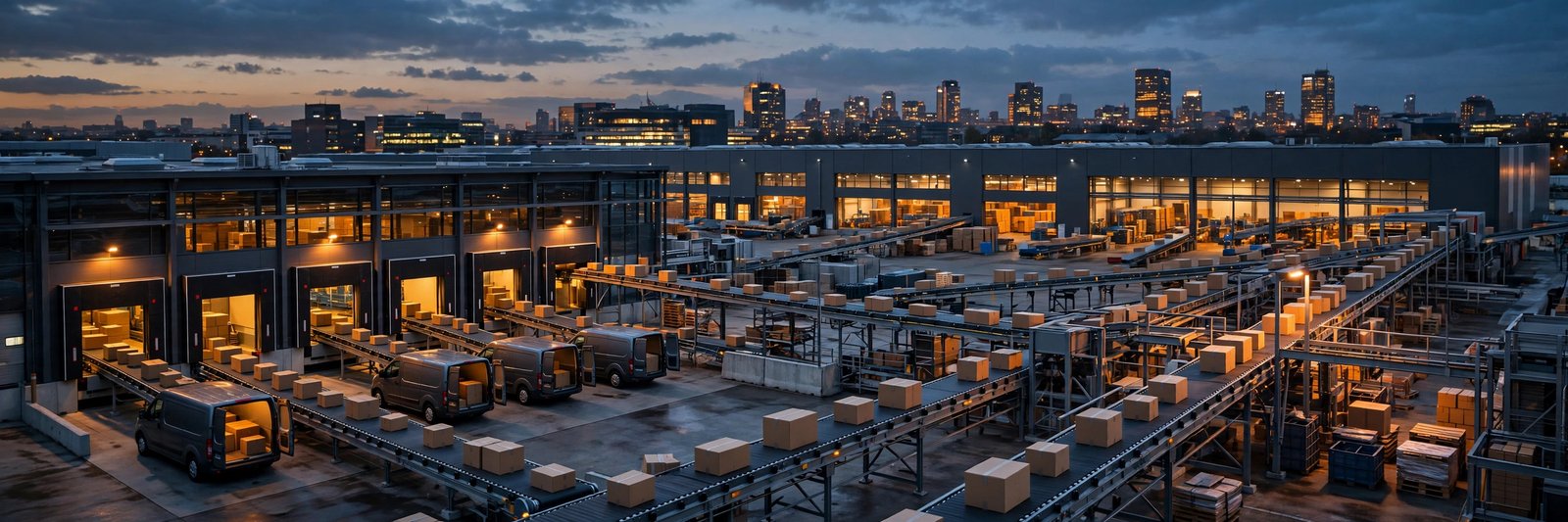
UPS says its network is ready. Nearly 70 percent of packages now move through automated processes, and the company says it needs fewer rented vehicles and leased aircraft than before. It plans to add extra capacity only where it is needed, rather than building up a large fixed cost for a short peak.
The company has also added new services for the season. One is Protected Delivery, which asks for a PIN code before a high-value parcel is handed over. It has also brought out holiday-themed express packaging.
A strong third quarter behind the plan
The new outlook came with better-than-expected third-quarter results. Total revenue rose 6.7 percent to 22.9 billion dollars, up from 21.4 billion dollars a year earlier. Net income was 1.16 billion dollars, or 1.37 dollars per share, down from 1.31 billion dollars a year earlier, but adjusted earnings beat market expectations.
In the US business, revenue rose 4.5 percent to 14.9 billion dollars, while operating profit jumped to 906 million dollars from 603 million dollars. International revenue rose 7.1 percent to 5.01 billion dollars. UPS also raised its full-year outlook, now expecting revenue of about 92.6 billion dollars and adjusted profit of about 7.28 dollars per share.
Shares rose after the announcement, as investors welcomed the mix of lower volume and higher profit. The company has closed facilities and cut jobs as part of the same efficiency drive, a painful side of the plan that leaders say was needed to make the network leaner.
What it means for shoppers
For ordinary shoppers, the change should not mean empty shelves or failed deliveries. UPS says it has led the industry in on-time service during the peak season for the past eight years, and it aims to make it nine. Still, shoppers may notice a shift. With UPS being more selective, some Amazon parcels may travel through other carriers, and delivery speed or tracking may vary by seller.
The lesson for shoppers is a practical one: order early in the peak season, check the delivery date at checkout, and use tracking and PIN-protected delivery where it is offered for valuable items.
What it means for online sellers
For online sellers, the story matters even more. Delivery is often the largest cost after the product itself, and it shapes whether a customer comes back. A carrier that prefers profitable, well-planned shipments will reward sellers who ship on time, pack well, and avoid last-minute surges.
Sellers who depend on a single carrier also face a risk. When a large carrier changes its mix, capacity and prices can shift fast. Spreading shipments across carriers, setting clear delivery promises, and planning stock before Black Friday and Christmas can protect both margins and reviews.
The bigger shift in e-commerce delivery
UPS is not alone in rethinking delivery. Across e-commerce, the race is no longer only about who can move the most boxes. It is about who can move the right boxes at the right cost. Automation, sensors, and better use of data now decide much of the profit.
This holiday season will test that idea. If UPS can handle the surge with fewer rented trucks and planes, and still earn more, other carriers may follow the same path. If demand runs hotter than expected, the test will be whether a leaner network can still cope without delays.
For now, UPS is betting that quality beats quantity. The holiday numbers will show whether shoppers, sellers, and investors agree.
Sources
- Transport Topics, "UPS expects holiday volume dip after Amazon reductions" (October 27, 2026) — https://www.ttnews.com/articles/ups-earnings-q3-2026
- Reuters via SRN News, "United Parcel Service expects fatter holiday profits on slightly slimmer volume" (October 27, 2026) — https://srnnews.com/ups-raises-annual-forecasts-as-higher-margin-parcels-drive-quarterly-profit-beat/
- Kalkine, "UPS Q3 2026 Earnings: Revenue Grows 6.7% to USD 22.9B as Guidance Rises" — https://kalkine.ca/news/general-news/ups-nyseups-q3-2026-earnings-revenue-grows-67-to-usd-229b-as-guidance-rises