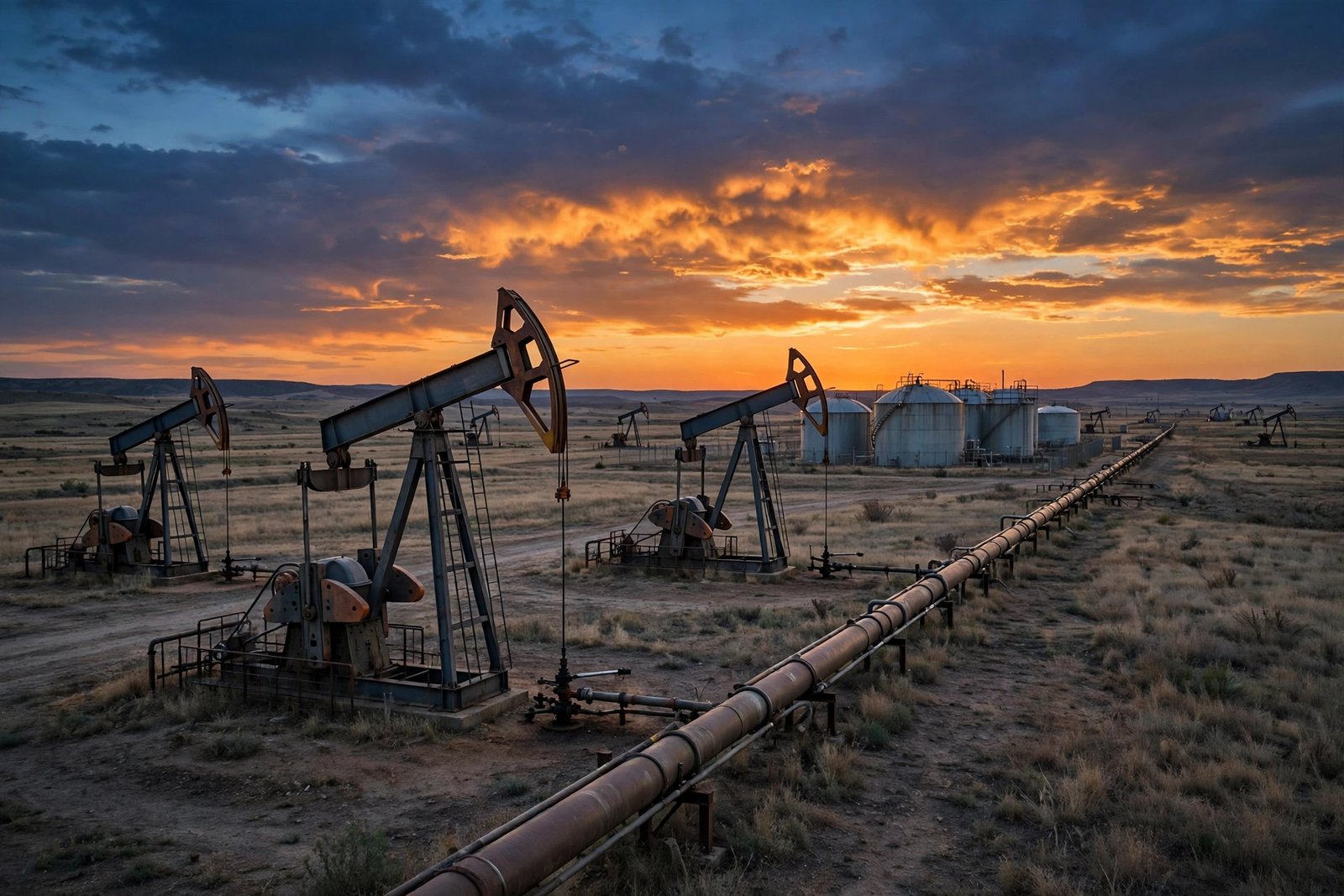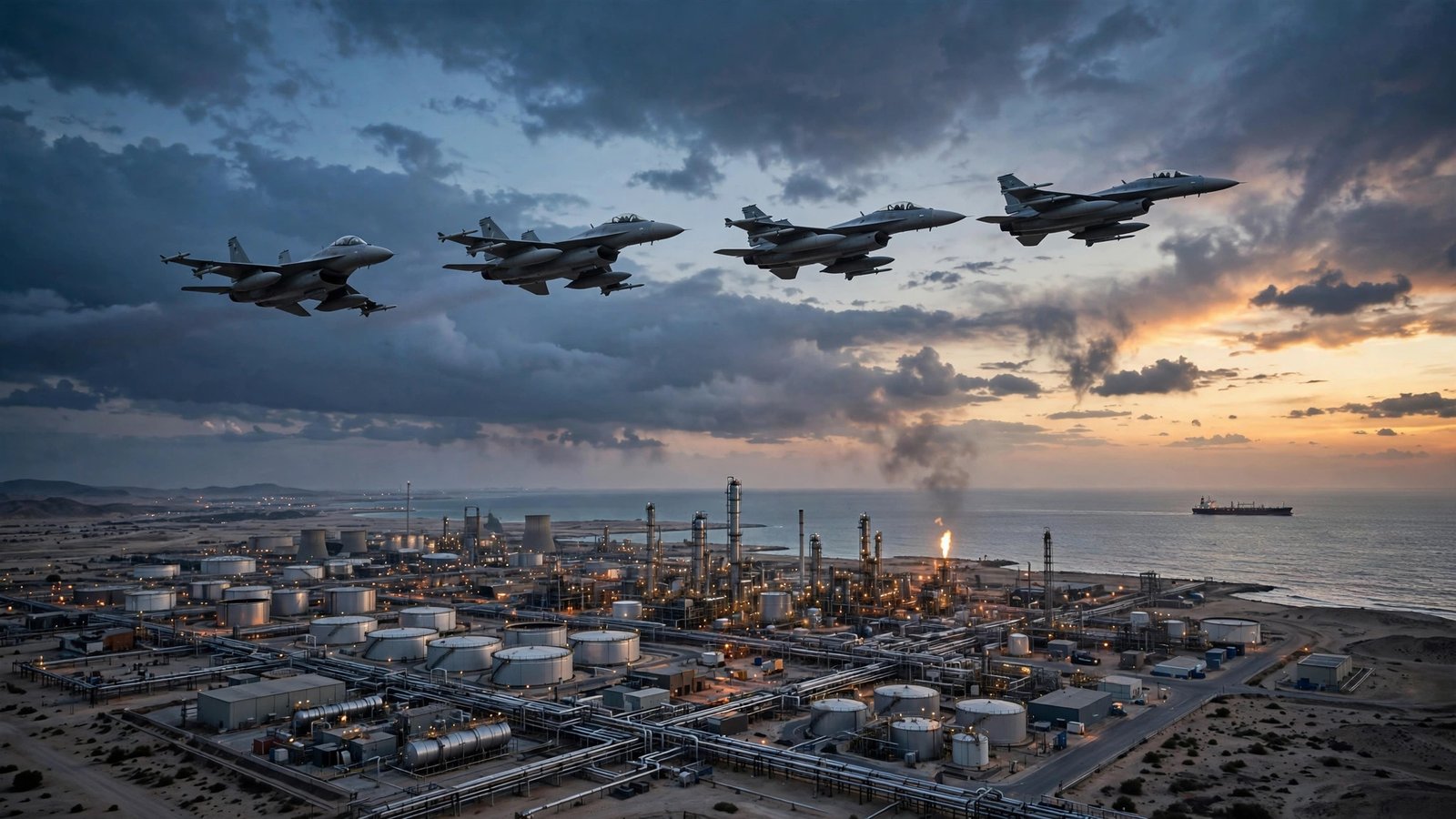
Tuesday's developments center on a sharp escalation in the Gulf: the United Kingdom announced it will deploy RAF Typhoon fighter jets to help defend Saudi Arabia against aerial attacks, while oil prices surged to their highest levels since May as Red Sea and Hormuz shipping lanes came under renewed pressure. The United States and China, meanwhile, agreed on a detailed trade framework that cuts Chinese tariffs on roughly $30 billion of American goods.
UK to Deploy RAF Typhoons to Defend Saudi Arabia
The United Kingdom will fly defensive counter-air missions to help protect Saudi cities and critical national infrastructure against aerial attack, using RAF Typhoon fighter jets, according to a UK defence ministry statement issued on Tuesday. The move marks a new escalation tier on the Saudi-Houthi thread: Riyadh airport remains closed, and the coalition said it intercepted a ballistic missile aimed at Riyadh earlier in the day. The deployment signals deepening international involvement as the Kingdom faces repeated missile and drone attacks from Yemen.
Oil Hits Five-Month High as Hormuz Flows Fall
Brent crude climbed to $111.25–111.69 a barrel, up 1.5–2.0 percent — its highest level since May — while December WTI futures rose about 2 percent to $100.59–100.74, back above $100. Shipping data from Kpler shows 7-day average flows through the Strait of Hormuz at just 82 percent of baseline, with only 14 tanker crossings per day on Sunday compared with 50 before the crisis. The rally is being driven by Iranian vessel and mine strikes and Houthi attacks on Saudi Arabia.
US-China Trade Framework: China Cuts Tariffs on $30 Billion of US Goods
New detail emerged on the US-China trade framework: China will cut tariffs on roughly $30 billion of American goods, including beef, pork, poultry, dairy, corn, wheat, rice, sorghum and specialty crops, alongside wood, cosmetics, small appliances and toys. About 90 percent of the covered products will return to China's MFN tariff rates, though whole soybeans were excluded from the deal. The two sides also agreed to an AI-risk dialogue, and an agricultural working group will address non-tariff barriers.
BlackRock Proposes Buffered Bitcoin ETF; JPMorgan Sees BTC Outperforming Over 10–15 Years
BlackRock has proposed a buffered Bitcoin ETF — a fund referencing IBIT options that holds no Bitcoin itself, designed to cushion losses while giving up part of the gains. Separately, JPMorgan said Bitcoin could outperform US stocks and gold over the next 10–15 years at roughly 10 percent compounded annually, while warning of 55 percent volatility. In the market, Bitcoin traded around $81,400–82,000, down 0.7–1.2 percent on the day on higher oil prices and oil-driven inflation fears, still holding above $81,000; Ether was about $2,408, down 0.5 percent.
Market snapshot
Bitcoin held above $81,000 despite the day's slide on oil-driven inflation fears, with Ether near $2,408. Oil dominated the tape: Brent at a five-month high near $111.50 and WTI back above $100, with Hormuz tanker traffic running at a fraction of prewar levels. No new exchange delisting announcements were recorded in this window.