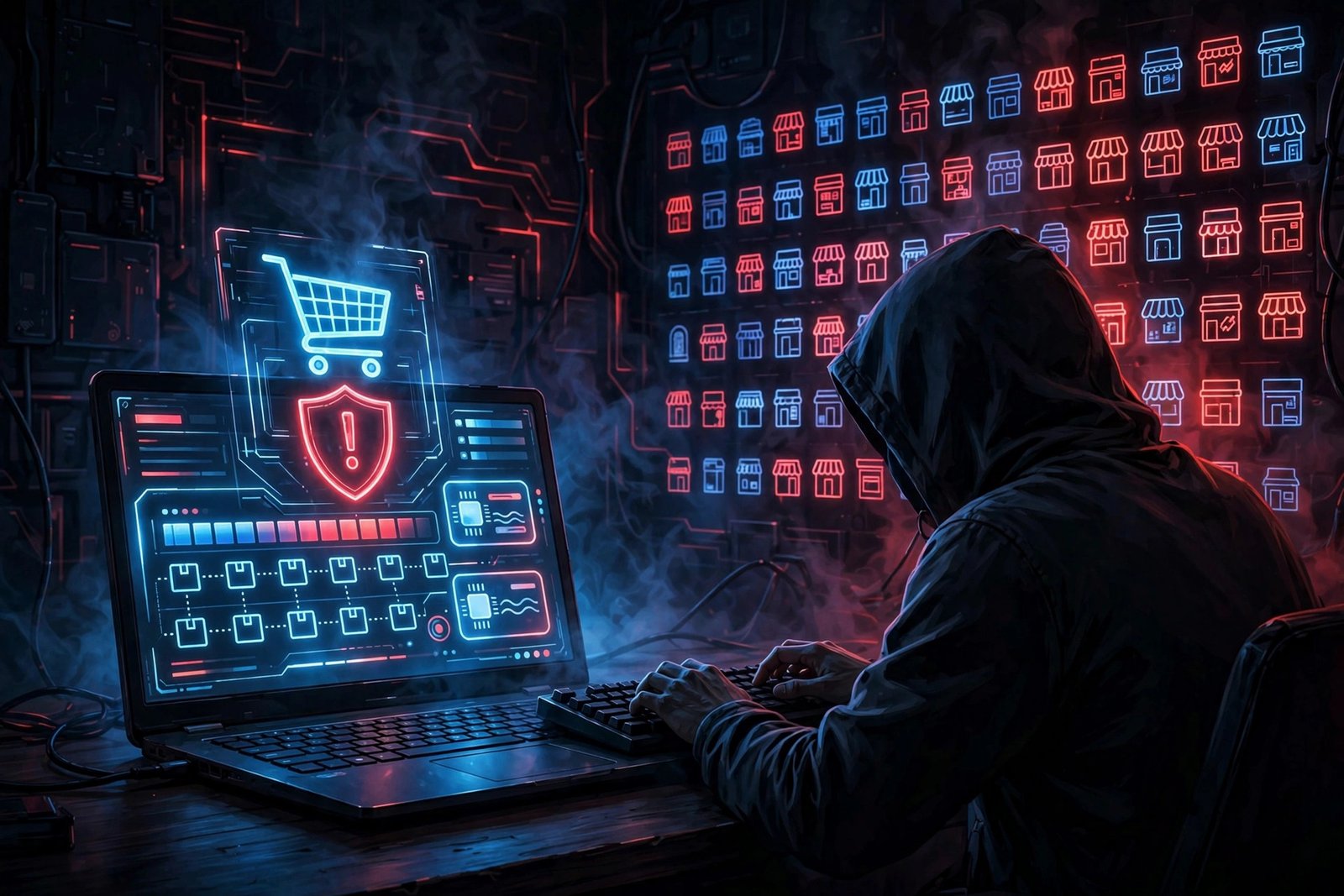
Online shopping scams are moving faster than ever. A new report says shoppers are now reporting a brand-new fake online store roughly every three minutes. That adds up to about 500 fake stores a day.
The report is called the 2026 Holiday Shopping Scam Report. It was released on October 20 by Savi Security, the company behind the free scam checker Scamwise. It is based on more than one million reports sent in by shoppers this year, covering over 250,000 e-commerce websites.
AI changed the way scammers work
Five years ago, a shopping scam was usually one fake product. A shady listing for a rare item, a fake puppy breeder, or a counterfeit handbag with a PayPal button. The sites looked rough, and a careful shopper could spot them.
That has changed. Generative AI lets scammers build an entire store in no time. The report says today's fake shops look polished and professional. They carry huge product catalogs, write warm "about us" pages, and even run real ad campaigns on major social media and search platforms.
In other words, they no longer fake one product. They fake the whole store.
Holiday scammers are already open
The timing matters. Black Friday falls on November 27 this year, and Cyber Monday follows on November 30. The report found that the number of fake holiday-themed stores reported by shoppers has grown five times in the last 60 days.
The report's warning is blunt: the store that takes your money on Black Friday most likely does not exist yet. Scammers build them just in time, push them hard for a few days or weeks, then shut them down and move on.
They reach you through real ads
At least one in five fake stores was traced back to an advertisement on a major platform. Meta and Google are the channels scammers prefer. A sponsored post in your feed or a promoted result in a search can lead straight to a store that was created days ago.
That is what makes this wave different. Shoppers learned to be careful about strange links in emails. Now the fake stores come through the same trusted platforms people use every day.
One platform stands out in the data
When Scamwise looked at confirmed scam cases, one domain showed up more than all the big names put together. Addresses ending in myshopify.com were the most common among fake stores - outranking Amazon, Etsy, eBay, and Walmart combined.
Shopify's tool lets anyone open a store in minutes. That is great for honest sellers, but scammers use the same speed to their advantage. A professional storefront is no longer proof that a seller is real.
The old warning signs no longer work
For years, shoppers were taught simple rules. Look for bad spelling. Check if the site looks cheap. Watch for prices that seem too good to be true. The report says those checks are not enough anymore.
AI can write clean product descriptions, generate real-looking product photos, and design a site that looks just like a trusted brand. A smooth, good-looking website tells you nothing about the person behind it.
How to protect yourself
The first step is to slow down. Deals that push you to "buy now or miss out" are a classic pressure trick. Take a minute before you enter your card details.
Check the store's web address closely. Search for the store's name plus words like "scam" or "reviews" to see what other shoppers found. Be careful with stores you found only through a social media ad - open the site directly and look for real contact details, a physical address, and clear return policies.
Pay with a method that lets you reverse the charge. Credit cards usually offer the strongest protection. Bank transfers and crypto payments are much harder to get back once they are gone.
The report's release also came with a practical tool: Scamwise launched a free Chrome extension that checks a store before you pay. Tools like this add one more layer of checking, especially during the busy holiday weeks.
What it means for honest sellers
This is not only a shopper problem. Real online sellers pay for it too. When buyers get burned by a fake store, they shop more nervously everywhere. Trust becomes harder to earn, and small honest businesses feel it first.
The takeaway is simple. The fake stores are already out there, and more are coming every few minutes. Shop carefully, check before you pay, and remember: a pretty website is not the same as a real business.